
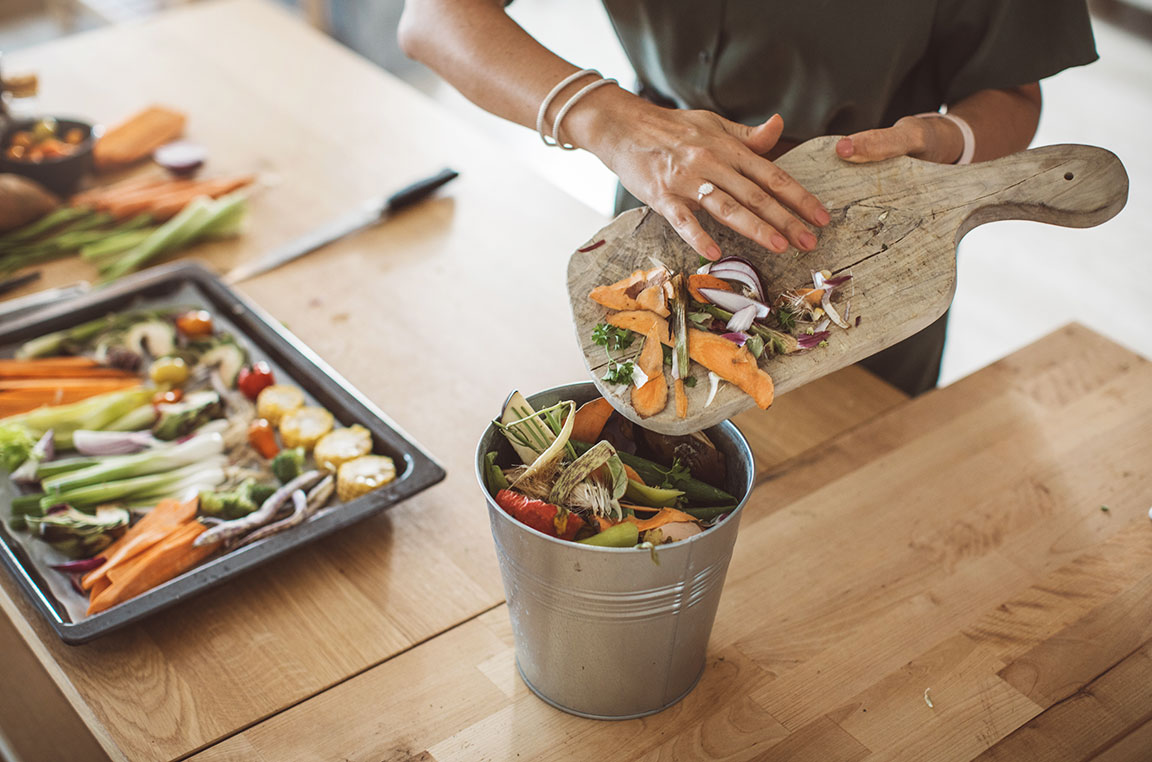
According to hunger relief charity Foodbank, around 7.3 million tonnes of food is wasted in Australia each year. This includes food discarded in homes and restaurants, as well as produce rejected before it even reaches consumers due to appearance or proximity to “use-by” or “best-before” dates.
It’s estimated that on average we throw one in five shopping bags of food in the bin. So what can we do at home to reduce food waste and save money on groceries? Here are a few ideas:
How to reduce food waste at home
Tip 1: Shop smarter
Plan meals in advance, make a shopping list and stick to it. Try using up ingredients you already have before shopping again and consider shopping more frequently instead of buying in bulk, as this can sometimes lead to more waste.
When selecting fresh fruit and vegetables, try not to focus on perfection. Produce that varies in size, shape or colour often tastes the same and provides the same nutritional benefits, and is sometimes sold at a discount.
Tip 2: Store fresh food correctly
Incorrect storage can cause fresh produce to ripen and spoil more quickly. For example, potatoes, tomatoes, garlic and onions should not be refrigerated. Separating foods that produce ethylene gas as they ripen, like bananas and avocados, can also help prevent spoilage.
Storage needs can vary depending on your climate, so consider asking your grocer for advice.
Tip 3: Keep your fridge and pantry clutter-free
The saying “out of sight, out of mind” often applies. If you can see what you have, you’re more likely to use it. Try following the FIFO approach (first in, first out) to keep track of expiry and best-before dates.
Tip 4: Use the whole fruit or vegetable
There are many creative ways to use parts of produce that might otherwise be discarded, such as turning cauliflower stalks into cauliflower rice. Think of produce as a complete package — many seeds are edible, skins can provide added nutrients and leftovers can be blended into smoothies.
Even citrus peels can add flavour to water. Once you’ve used what you can, consider making stock or composting the remainder.
Tip 5: Make a homemade stock
Instead of buying stock, save vegetable scraps and use them to make your own. Freeze portions so you always have a nutritious and flavourful option on hand.
Tip 6: Make the most of your freezer
Save leftovers and, if you don’t think you’ll eat them while fresh, portion and freeze them. Keep portion sizes realistic to avoid further waste.
Sources: Foodbank, SBS and Healthline